By Megan DeMatteo for The Scheffer Group
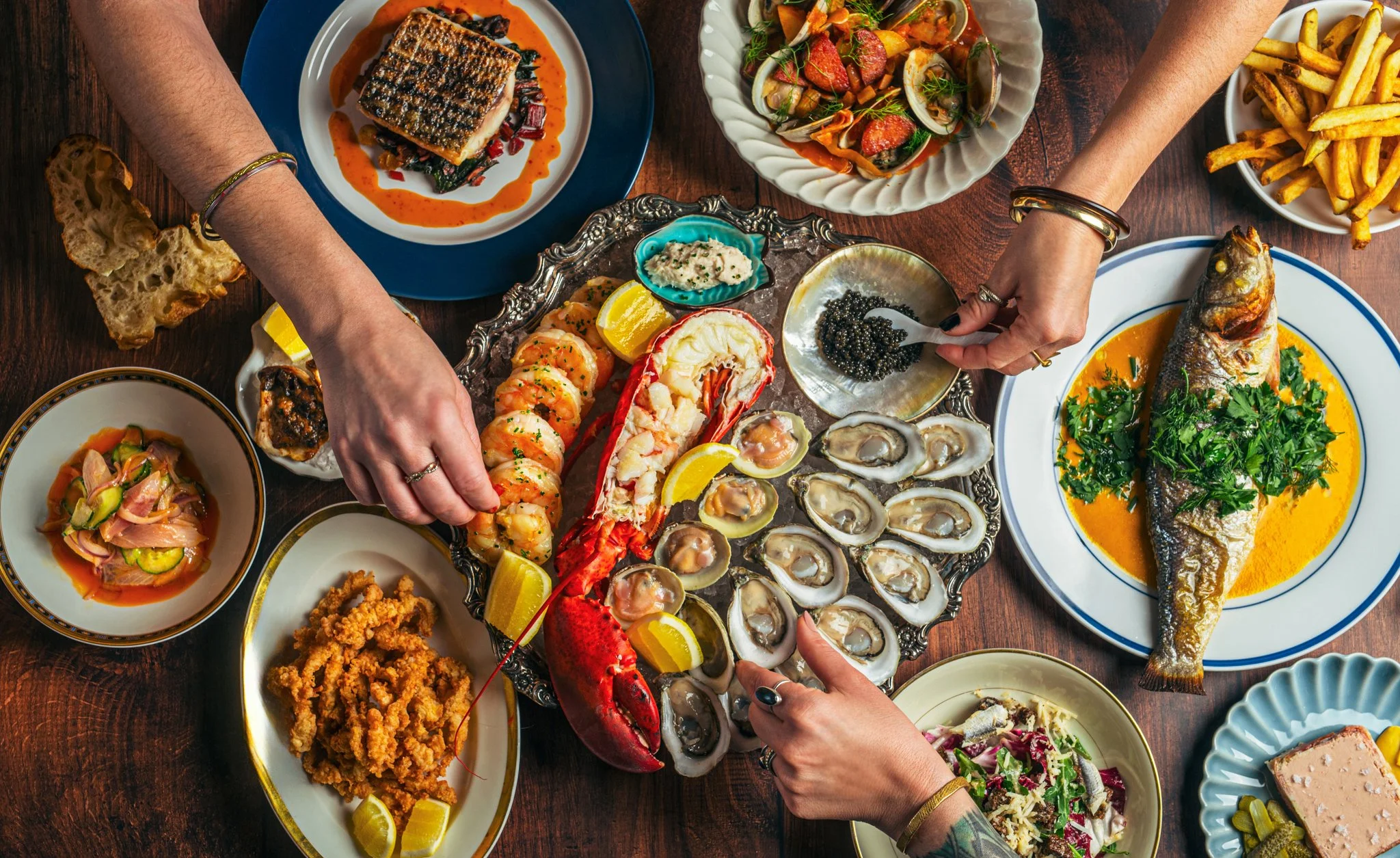
Americans have developed a taste for oysters. Once considered by some a briny coastal indulgence, they have become staples at trendy raw bars and upscale restaurants. Over the past five years, National Geographic has chronicled their rise as foodie favorites, and oyster shucking and taste pairing have become certified skills, just like fine wine sommelier service.
With any delicacy, the industry has had to step up their education efforts to educate diners about safety, sustainability and how these bivalves are raised. The concerns around foodborne illness and norovirus outbreaks can send diners running from raw oysters. NOAA Fisheries’ 2025 U.S. Oyster Aquaculture Market Outlook notes that negative headlines can hurt oyster sales for weeks or longer.
Restaurants and oyster farmers in North Carolina work hard to educate and put diners at ease. In Asheville, oysters harvested along the Carolina coast can reach Jettie Rae’s Oyster House within about 24 hours of harvest, according to executive chef Antonio Perez. He partners with Locals Seafood, a trusted distributor that connects North Carolina’s coastal fishermen and oyster farmers with restaurants across the state.
“They have become a broker for us with all of our oysters,” Perez said. “They source oysters and clams from the Carolina coasts, from basically Hatteras in the Outer Banks, all the way down to Charleston.”
So how does a delicate shellfish make the trip from saltwater to a mountain-town dinner plate? Here, the Scheffer Group looks at the people and careful handling that make it all possible.
Seeding in coastal waters
An oyster's journey to the mountain town of Asheville begins long before a refrigerated truck pulls up to a restaurant. It starts in coastal waters, where temperature, salinity and weather influence how the shellfish will ultimately taste.
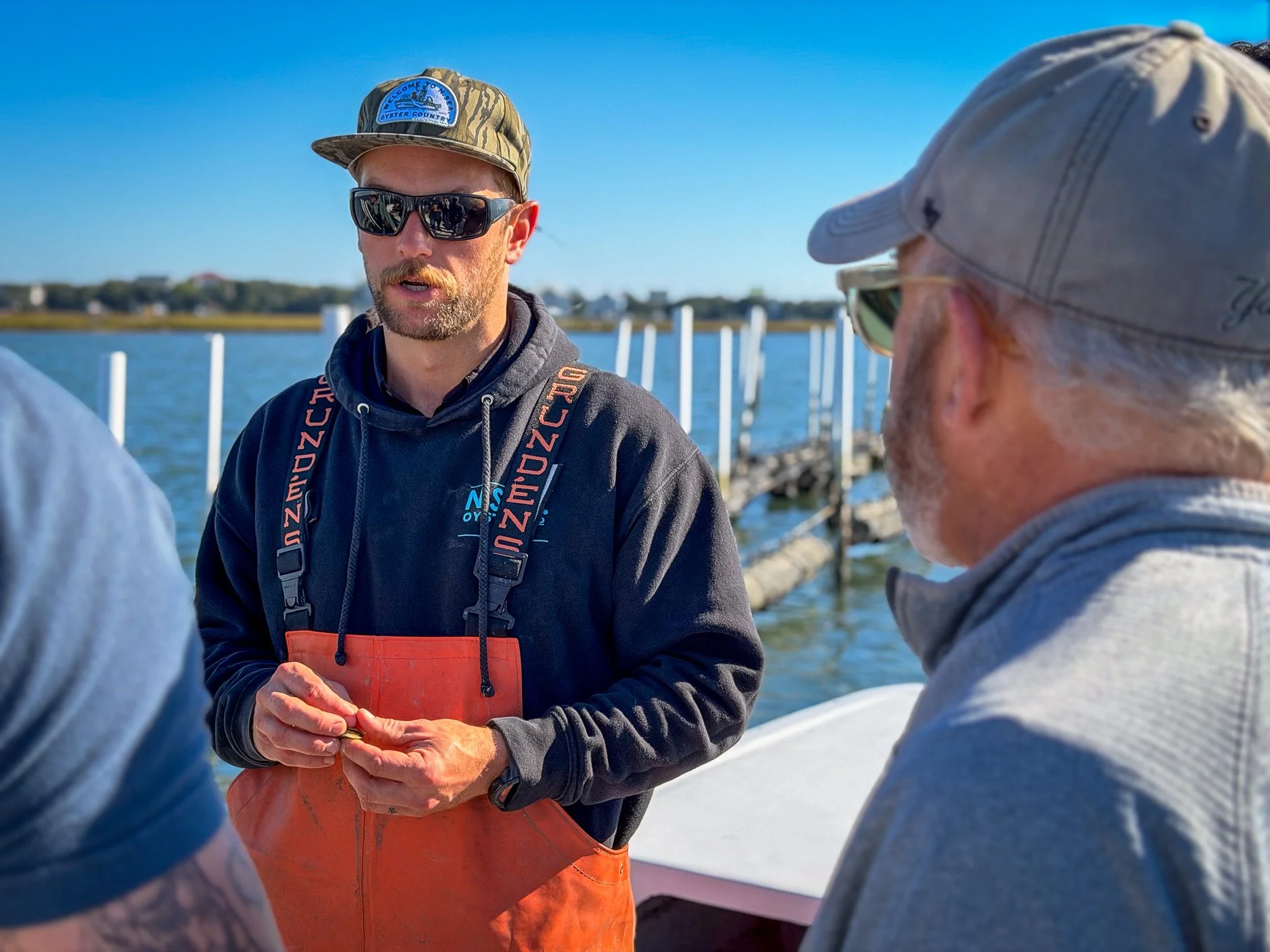
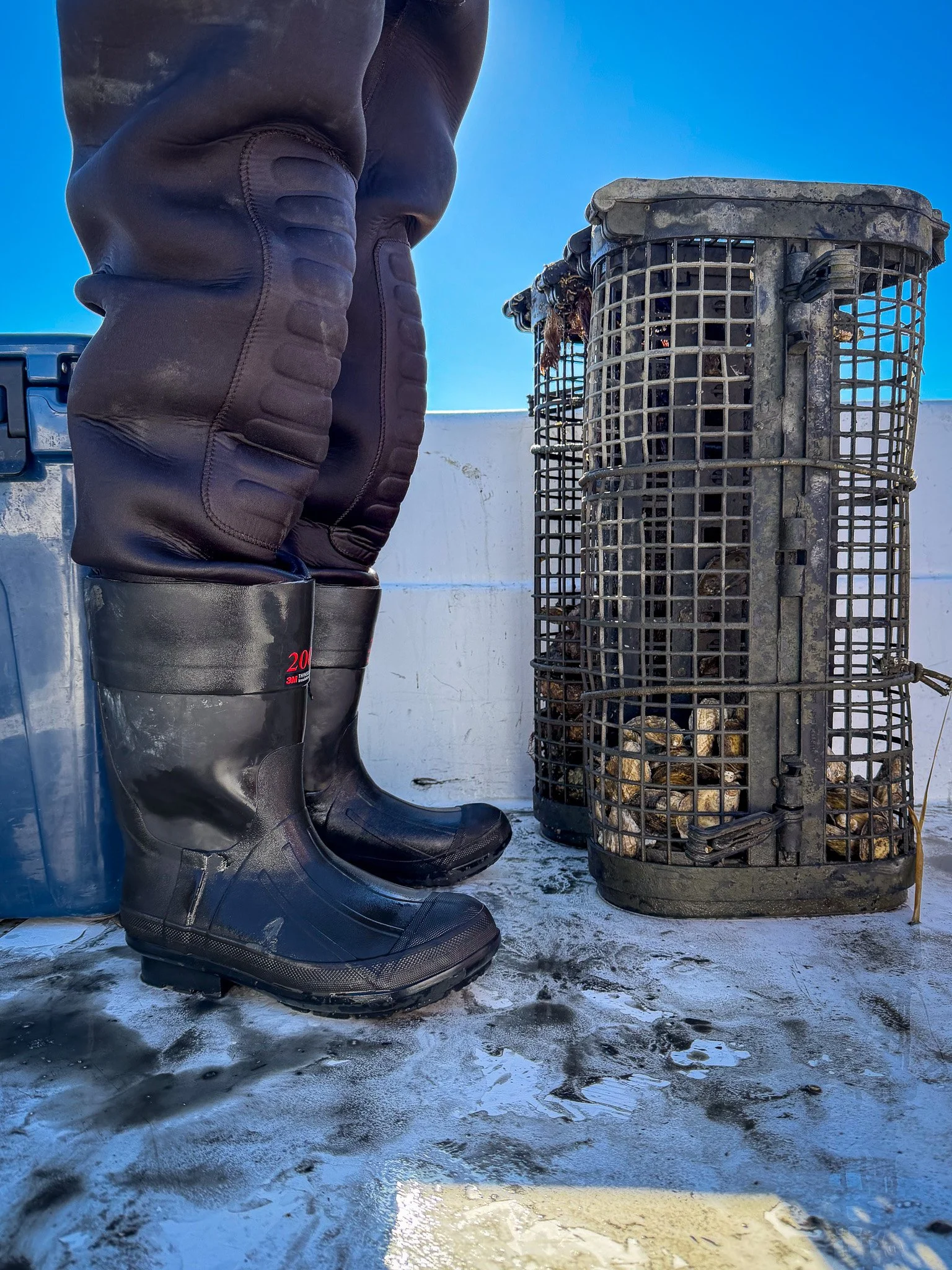
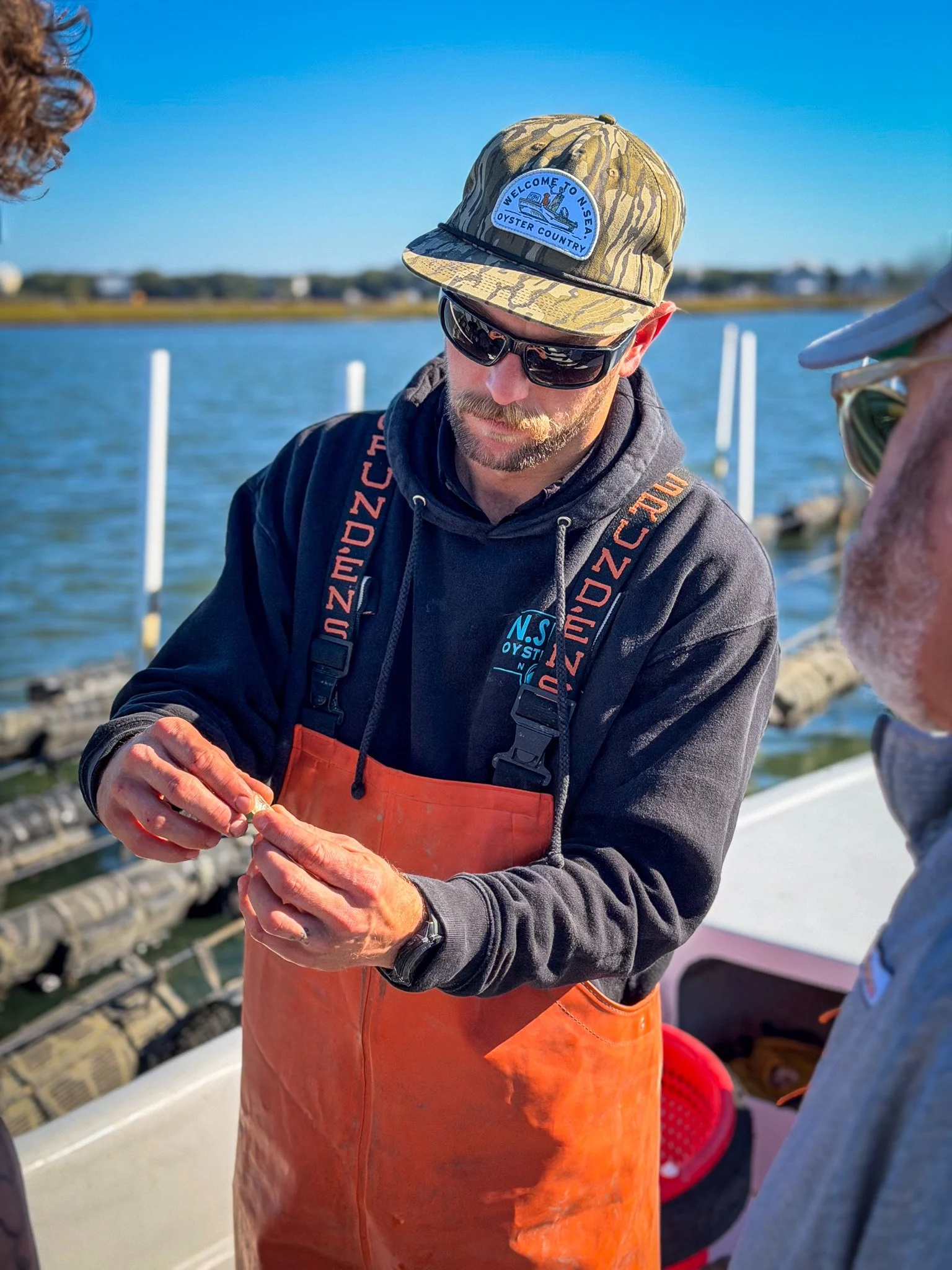
At N. Sea Oyster Company, it starts with a speck of seed no bigger than a grain of quinoa, which then grows in floating equipment and mesh bags suspended in coastal water.
Alyssa MacNair, who oversees N. Sea Oyster’s business operations, walked me through the process during a video call with her husband, Conor MacNair, the company's CEO, who focuses on farming. Farmed oysters begin in a hatchery or shellfish lab, where selected oysters reproduce, releasing millions of microscopic offspring. The young oysters then attach to a material called cultch, which gives them a surface to grow on.
It’s then that N. Sea Oyster will buy the tiny seed and place it in a system that circulates water and nutrients to the growing shellfish.
“It basically looks like a floating dock with a bunch of silos in it,” said Alyssa. “It upwells water, so it's constantly bringing fresh food to the oysters. Everyday we’re going out there to shake all the silos, rinse down everything, make sure the oysters are staying super clean.”
From there, the team sorts the oysters repeatedly as they grow. Different grading equipment separates them by size, and then they get hand-sorted again. Conor gives the final selection his own inspection, making sure to send restaurants only the oysters that meet the farm's standards for size and quality.
‘Sweet’ adductor muscles improve both taste and safety
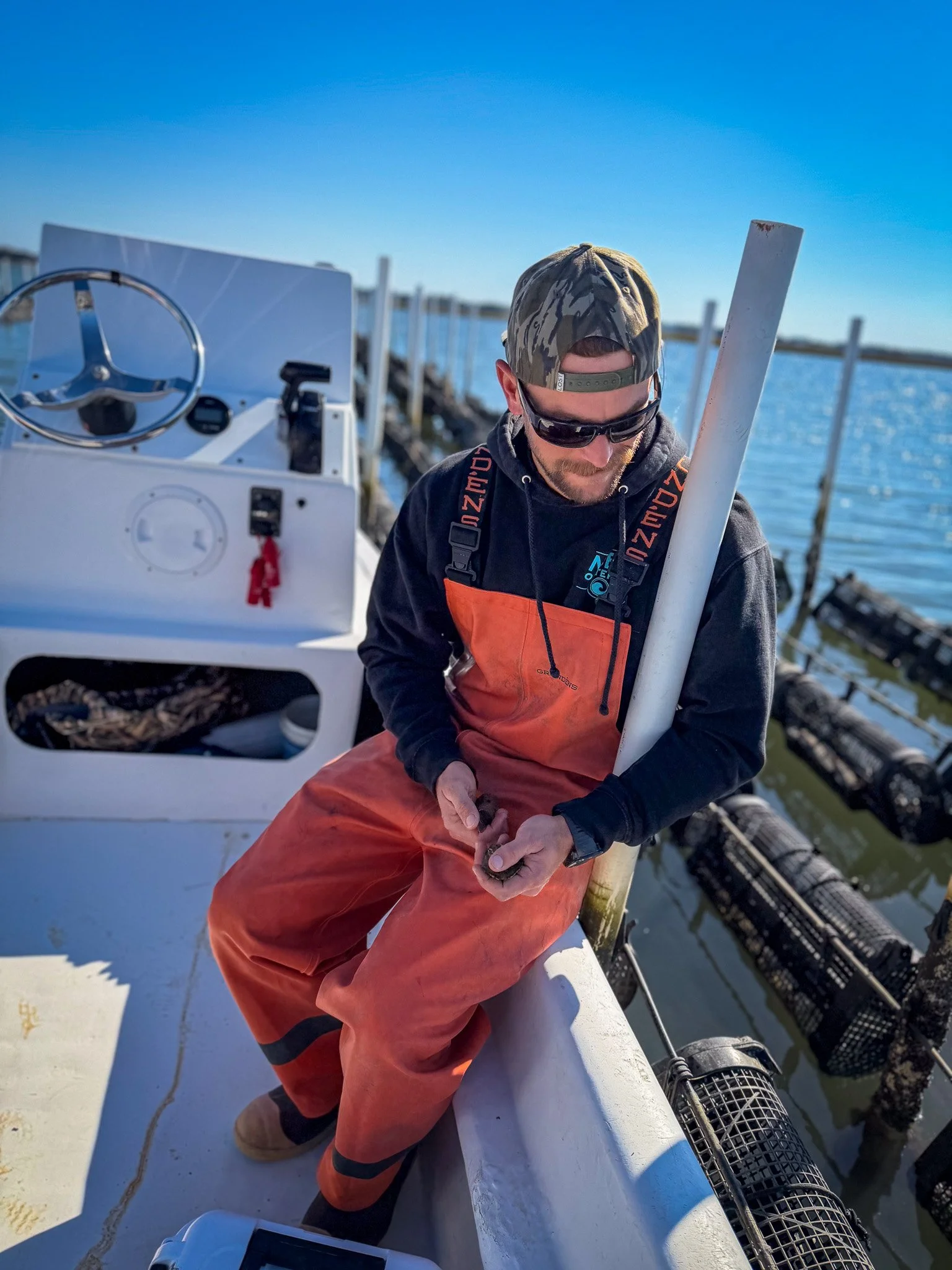
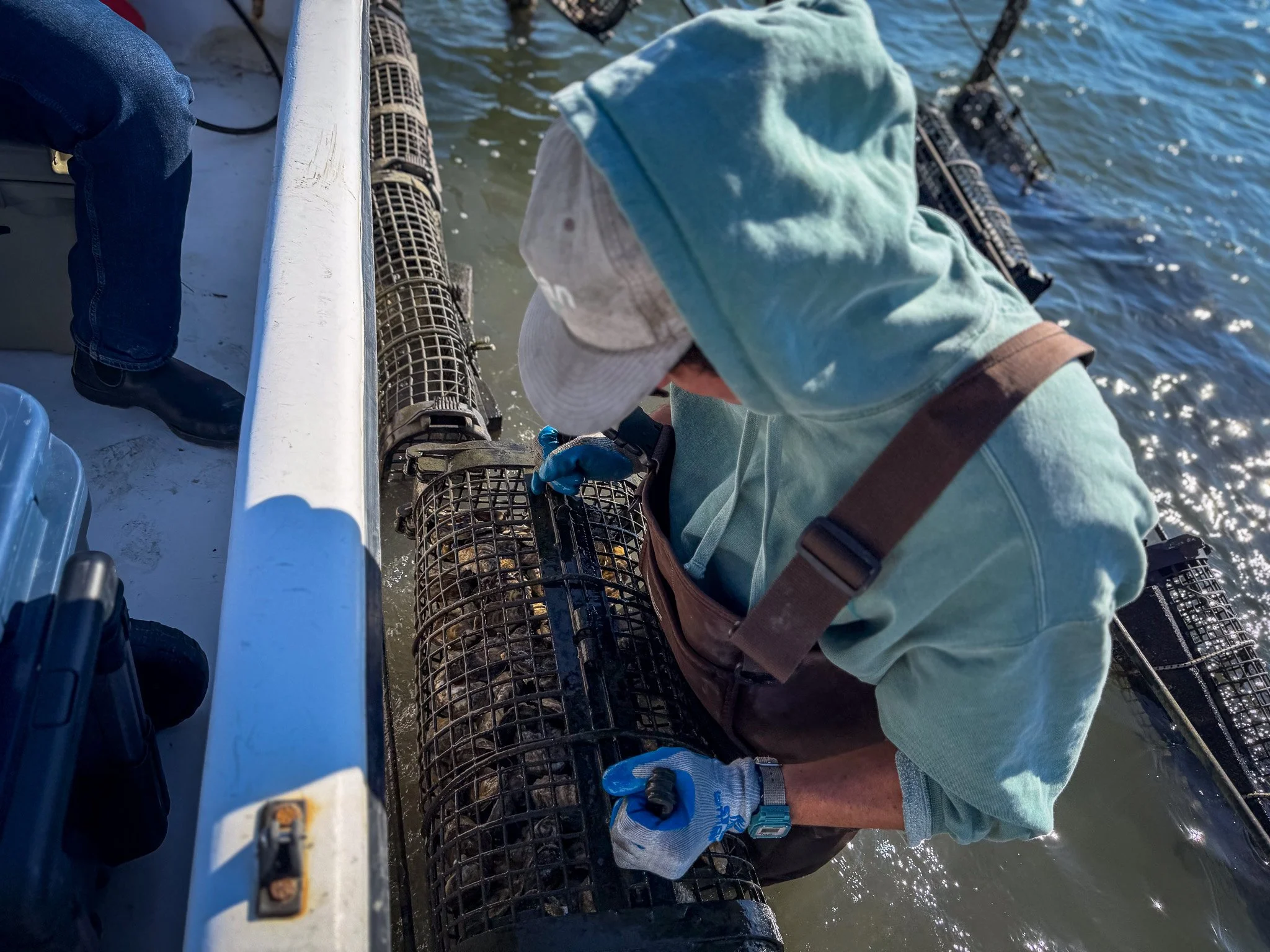
Out in the water, the oysters attach to something akin to a giant clothesline stretched across the water, living inside floating bags bobbing in the tide. Low tide exposes the oysters to air. When the tide returns, they are submerged again and begin feeding. These fluxing tides make the oysters work to keep their shells closed.
"We like to say like we're exercising them their whole lives," Alyssa said.
Repeated opening and closing helps mollusks develop what the McNairs call a “sweet” adductor, the muscle that holds the shell shut. “They get super strong, which is good for taste. A bigger adductor gives a lot of sweet flavor to it,” Alyssa said.
Oysters with strong adductors are also safer for shipping and stocking restaurants, Alyssa explained. “Chefs like to know that they're getting like an oyster that's going to hold its integrity and taste, and do well in transit.”
The clock starts when the oysters leave the water
After months of growing, grading and hand-sorting, the oysters become ready for harvest. Getting them from the Carolina coast to the Asheville mountains requires another carefully timed operation. All three parties—the farmers, distributors and restaurants—must work together to keep the oysters cold by coordinating pickups and choosing a route that makes financial sense.
This stage is where a distributor’s reputation for freshness can be the deciding factor in business partnerships. Perez said he leans heavily on Locals Seafood to provide predictable and orderly transport from the sources he personally vets.
“They go to the docks each Tuesday and Friday. They get [the supply] directly from the fishermen, then they bring it into their shop, process it and bring it to us,” Perez said. “So there’s really only one middleman that we deal with.”
By the time Locals Seafood receives the oysters, the bivalves are typically eight to 12 hours out of the water, Perez said. The shipment then heads inland and reaches the restaurant’s walk-in cooler within another 24 hours.
“If it does happen where we have a quality issue or a freshness issue, it is a very serious phone call for me,” said Perez. “I'm not a chef who yells at people just for making a mistake. It's more about saying, ‘this is an issue, and this is going to affect our business, and if it happens again, we're going to have to discuss the future.’”
Perez even visited N. Sea Oyster personally when choosing which farmers to source from. Conor said the farm initially shipped directly to Jettie Rae’s via mail and cargo carriers, but the two businesses eventually agreed that refrigerated trucking could move larger quantities for less.
“When we can find a good refrigerated truck that can get to our restaurants in 24 to 48 hours of harvest, it cuts the price of oysters down like two-thirds,” MacNair said. “Shipping is just so insane.”
When the weather changes the menu
However locked-in the logistics, even the best seafood delivery plan bends to the whims of coastal weather. Water temperature and salinity shift with the seasons, which can change how oysters taste and look. And if meteorologists call for storms, Perez prepares his menu with the anticipation of possible delays.
“It's difficult to order for a seafood restaurant here,” he told me. “I’m talking to about 15 to 20 different providers every week—full-on phone conversations of how are the fishermen doing? How are the oyster farms? Is everything going smoothly? Are we going to get our products this week?”
Fall and winter bring the biggest rush of requests. Alyssa said the old tradition of eating oysters in months with an "R" still drives demand. "Fall and winter are always a crazy time," she said.
The final test happens in the kitchen
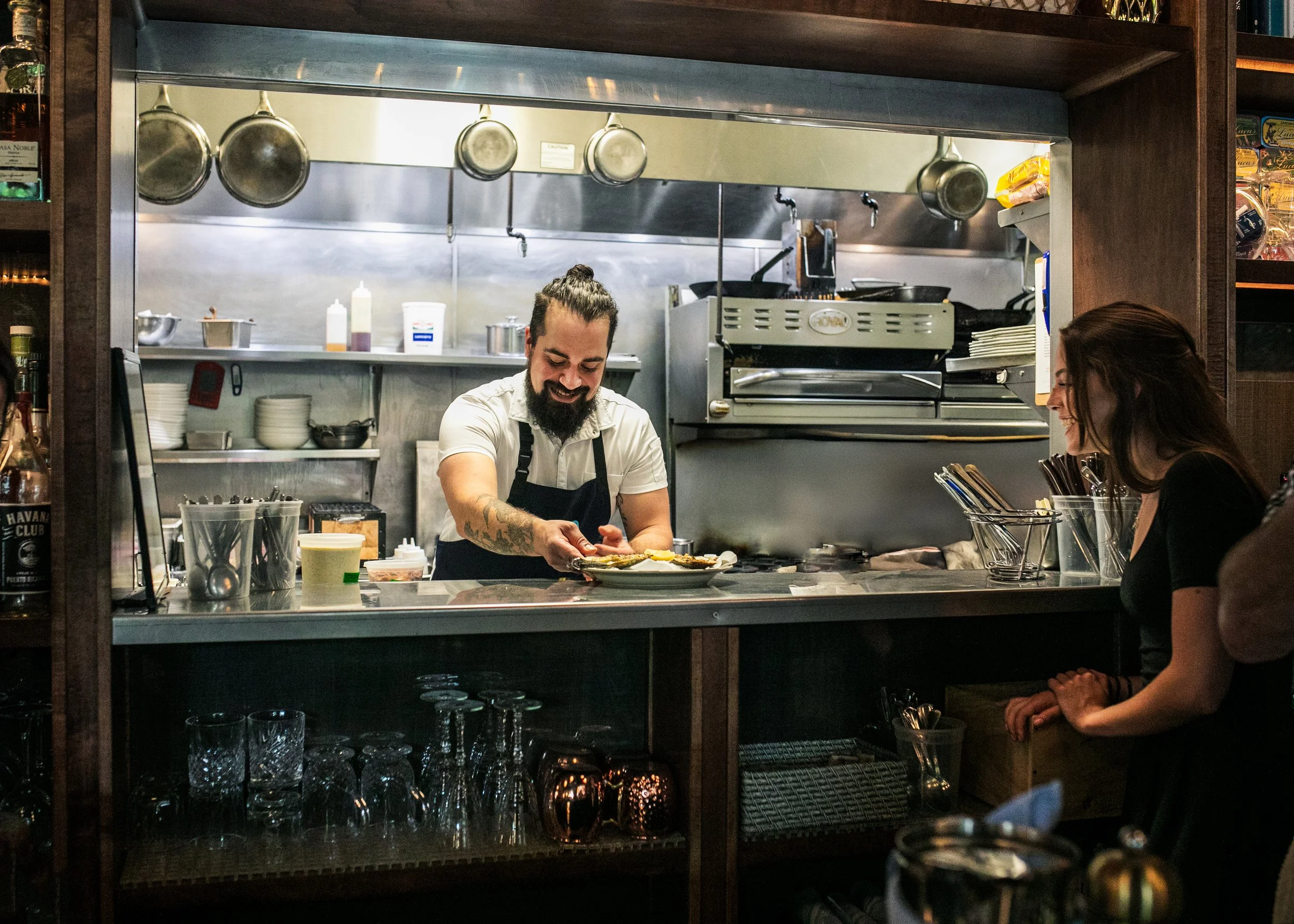
Conor and Alyssa said they expect restaurant partners to handle their oysters with the same level of care as they put into the years spent growing them—especially when presented to the customer. They require staff to be trained in shucking without damaging the oyster’s delicate meat, removing shell fragments and presenting each one properly on the plate. As Conor puts it, “I always say that the oyster shouldn't even know that it's open yet.”
For that reason, the farm is equally selective about its restaurant partners. Poor handling can undermine the work that goes into raising each oyster. “You have to really trust who you're selling your oysters to,” Alyssa said.
So the next time you’re out for oysters, remember that ensuring freshness on your plate begins with one question for your server: who supplies them? Perez says a good restaurant will know the farm by name and can describe how the shellfish are stored, transported and shucked.
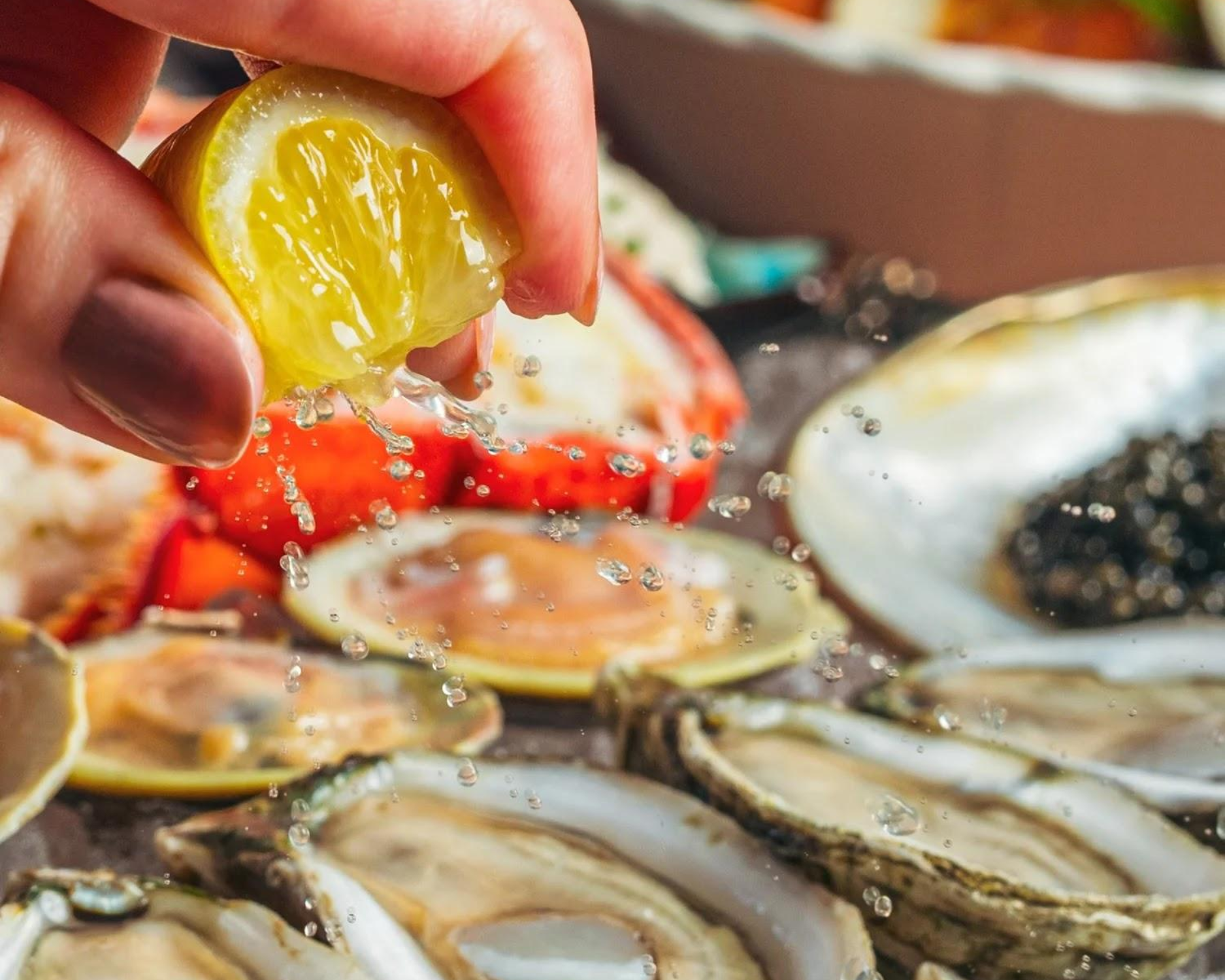
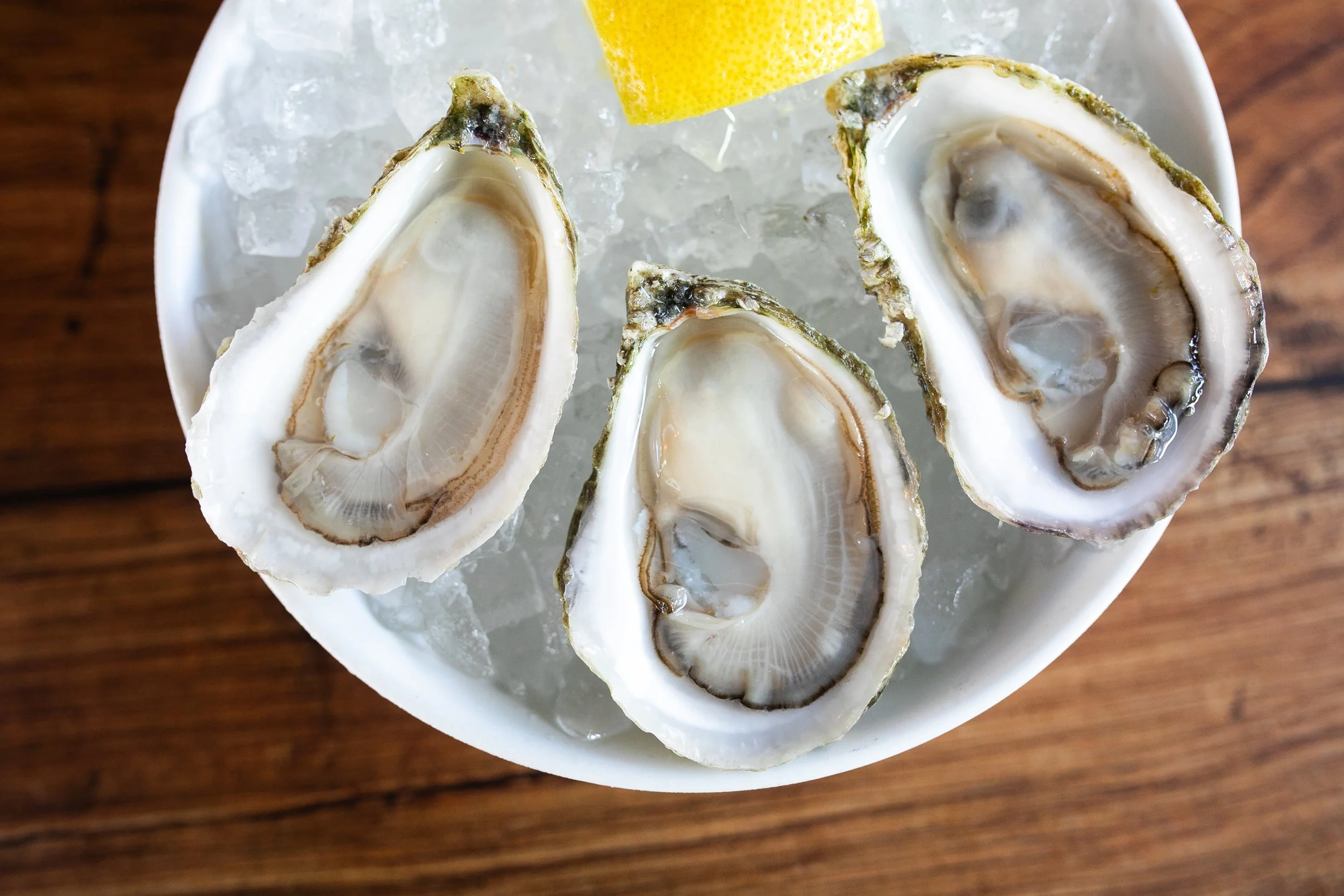
If they can answer these vetting questions, you’ve got Chef’s permission to squeeze that lemon wedge, splash on a spoonful of mignonette and raise the first shell to your lips.